Laapataa Ladies a feminist comedy
- mishalzahoorjamali
- May 25, 2024
- 3 min read
Updated: Feb 7, 2025
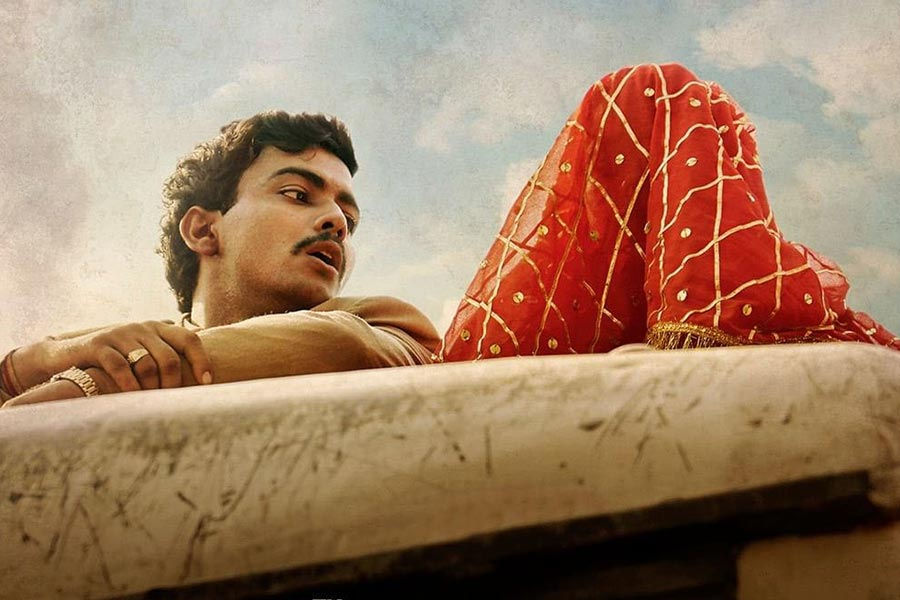
Kiran Rao returned to the screen fourteen years later with her staller debut dhobi ghat this time she did what most feminist movies failed to do. Kiran Rao's Laapata Ladies is a feel-good film and satirical commentary on ghoongat culture and patriarchy laced with the warm and empowering themes of women discovering themselves.
The film is set in a North Indian village in the early 2000s, with every detail—from the warmth of the homes to the vibrant sarees and hand-knitted cardigans—meticulously capturing its essence. Even the sunlight streaming through open verandahs creates a striking contrast against the dim, windowless rooms within.
Kiran Rao uses the ghoonghat hilariously as a commentary on the patriarchal practice as well women's identity in Indian society. Newlywed brides Phool Kumari and Jaya, their faces hidden beneath identical red ghoonghats, are mistakenly swapped—one is stranded at a station, the other ends up in the wrong Sasural. Phool struggles to recall the name of her husband’s village while the educated Jaya desperately conceals her identity. As the story unfolds so does the secrets. Both brides seem lost but are they?

The film is set in 2001 in a North Indian village the essence of which is captured wonderfully. Each element of the town, from the warm homes to the colourful sarees and hand-knitted cardigans is crafted with great attention to detail. The sunlight streams through the open verandahs of the village houses, creating a striking contrast with the windowless rooms within.
Jaya and Phool the protagonists are strikingly different women with different beliefs. Jaya is doing everything to escape an unwanted marriage and pursue her passions and dreams. Phool on the other hand is a traditional and sheltered girl from a respectable family. She is overwhelmed with the fear of losing the "respectable girl" reputation because that is how she was raised.

When Phool meets Manju Mai who runs a small samosa cart at the station, her journey of self discovery begins. Manju Mai scoffs at Phool's idea of a respectable woman, she says respectability is a fraud that keeps women confined and restricted.
Manju Mai's commentary on patriarchy was the highlight of the film.
"hum ladkiyo ko kaahe mauka nahi dete dadi... kaahe humko itna laachar bana dete hai."
(Why aren’t we girls given any opportunities, Mai?)
Asks Phool naively.
To which Manju Mai says: "dar se shayad.. dekh phool aurat anaaj uga bhi sakti hai, pakaa bhi sakti hai, baccha paida bhi kar sakti hai, bada bhi kar sakti hai."
(Women can farm and cook. We can give birth to children and raise them. If you think about it, women don’t need men at all. But, if all women figured this out, men would be screwed, wouldn’t they?)

Jaya in contrast takes advantage of her situation to escape her husband who is rumored to have killed his first wife. But freedom doesn’t come easy. The local police officer suspects Jaya might be a “thief bride,” one of the many women back then accused of running away with their dowries. In the process if being lost she carves a new path for herself.
Jaya discreetly moves between jewelry stores, selling pieces of her dowry, and computer shops, filling out admission forms for an organic farming course in Dehradun. The policemen hilariously calculate Jaya's every move, failing each time to gather solid evidence against her. In the final scene when Jaya apologizes to Deepak for fooling his family and never disclosing her identity. To which Deepak smiles warmly and in turn, says: “Don’t apologize for having a dream”.
There are warm, inspiring and emotional moments throughout the film one such moment is when Jaya compliments Deepak's mother's sabzi (vegetable curry) and asks why she stopped making it. Deepak's mother scoffs "toh ab kya aurton ki pasand ka khana banega?" ( Since when do women cook what they like eating?) which reflects how normalized it is for women to never consider their likes and dislikes.


Hahaha, I'm going to watch this film now